1.What first drew you toward judging showjumping, and what keeps you involved in the sport today?
I’ve been involved in showjumping since I was about 14 years old through Pony Club, then competing around the shows myself. After a break while the kids were growing up, we all got back into it through Pony Club and showjumping again.
What keeps me involved today is definitely the people and the community. I love the friendships and being around people who genuinely enjoy the sport. I enjoy trying to keep things relaxed, friendly and sometimes a little bit funny — because at the end of the day everyone is there because they love horses. And honestly, after all these years, I still enjoy being part of it.
2. From the judge’s box, what qualities separate a truly professional rider from the rest of the field?
The best riders are usually the calmest riders. They stay respectful, prepared and consistent no matter what happens.
Professionals also look after their horses properly, treat officials and volunteers with respect, and adapt quickly when things don’t go to plan.
And one thing I’ve noticed over the years — the real professionals normally don’t need to tell you they’re professionals!
3. How important is consistency in judging, particularly across long competition days and varying levels of riders?
Consistency is one of the most important parts of judging. Riders deserve the same standard from the first class in the morning to the last class late in the afternoon.
Some days are long, especially when you’ve been staring at rails for ten hours straight wondering if they moved or if your eyes are just tired! But riders need confidence that decisions are fair and consistent right across the board.
4. Riders often only see the result — not the decision-making behind it. What are some things competitors may not realise judges are considering during a round?
There’s a lot more happening than simply counting rails. Judges are watching safety, time, horse welfare, equipment, sportsmanship and whether the rules are being followed correctly.
Sometimes riders only see the final decision, but there can be a lot happening behind the scenes very quickly. We’re constantly communicating with the timekeepers, stewards, course crew and other officials to make sure everything is fair.
And yes… sometimes we also need eyes in the back of our heads!
5. In your view, how has the culture of showjumping changed over the years — for better or worse?
There’s definitely more professionalism now, and the standard of riding and horsemanship has improved enormously. Technology and communication have also made events run much smoother.
On the downside, social media can sometimes create pressure and negativity that didn’t really exist years ago. Everyone has an opinion now — usually five minutes after the class finishes!
But overall, I still think showjumping has a strong community, and most people involved genuinely want to support each other and enjoy the competition.
6. What role do judges play in maintaining horse welfare during competition, beyond simply enforcing penalties?
Horse welfare always has to come first. Judges and officials are there to make sure competition stays fair, safe and respectful for the horses.
Sometimes that means stepping in when something doesn’t look right, even if it’s not the most popular decision. Good officials are always watching for signs of fatigue, stress or unsafe riding.
At the end of the day, ribbons are nice — but the horse has to go home happy and healthy.
7. Have you ever had to make a difficult or unpopular decision in the interest of safety or fairness? How do you handle those moments?
Yes, absolutely. If you judge long enough, those situations will happen. They’re never enjoyable, but fairness and safety always have to come before popularity.
I try to handle those moments calmly, respectfully and professionally. Most riders will accept a decision if it’s explained clearly and treated consistently.
And if someone still disagrees… well, I sometimes joke they’re welcome to take over and give it a go!
8. What do you most hope junior riders and parents understand about the role of officials at competitions?
I’d really like junior riders and parents to understand that officials are there to support the sport and help everything run fairly and safely for everyone. Most officials genuinely want riders to do well and enjoy their day.
We all make mistakes occasionally — riders, judges, course builders, everyone — but respect goes a long way in keeping the sport enjoyable.
I also think it’s important for young riders to remember that one rail, one round or one result doesn’t define them. Some of the best riders in the sport have had terrible days too. They just get back on, have a laugh, and go again next weekend.
9. Technology and social media are increasingly present at events. Do you think this has changed rider behaviour or the atmosphere around competition?
Definitely. Social media has brought great exposure to the sport and helps promote riders, sponsors and events really well.
But it’s also changed behaviour a little. Sometimes people are more worried about the video replay than the actual round!
Overall though, I think if used positively, it’s great for growing the sport — as long as we remember that not every disagreement needs to become a Facebook committee meeting.
10. When you leave a well-run event at the end of the day, what makes you feel the competition was successful?
For me, a successful event is one where everything runs smoothly, the horses are well cared for, riders are treated fairly, and everyone leaves feeling they’ve been part of a positive and enjoyable competition.
If competitors, officials, volunteers and organisers can all have a laugh together at the end of a long day, that’s usually a pretty good sign the event was successful.
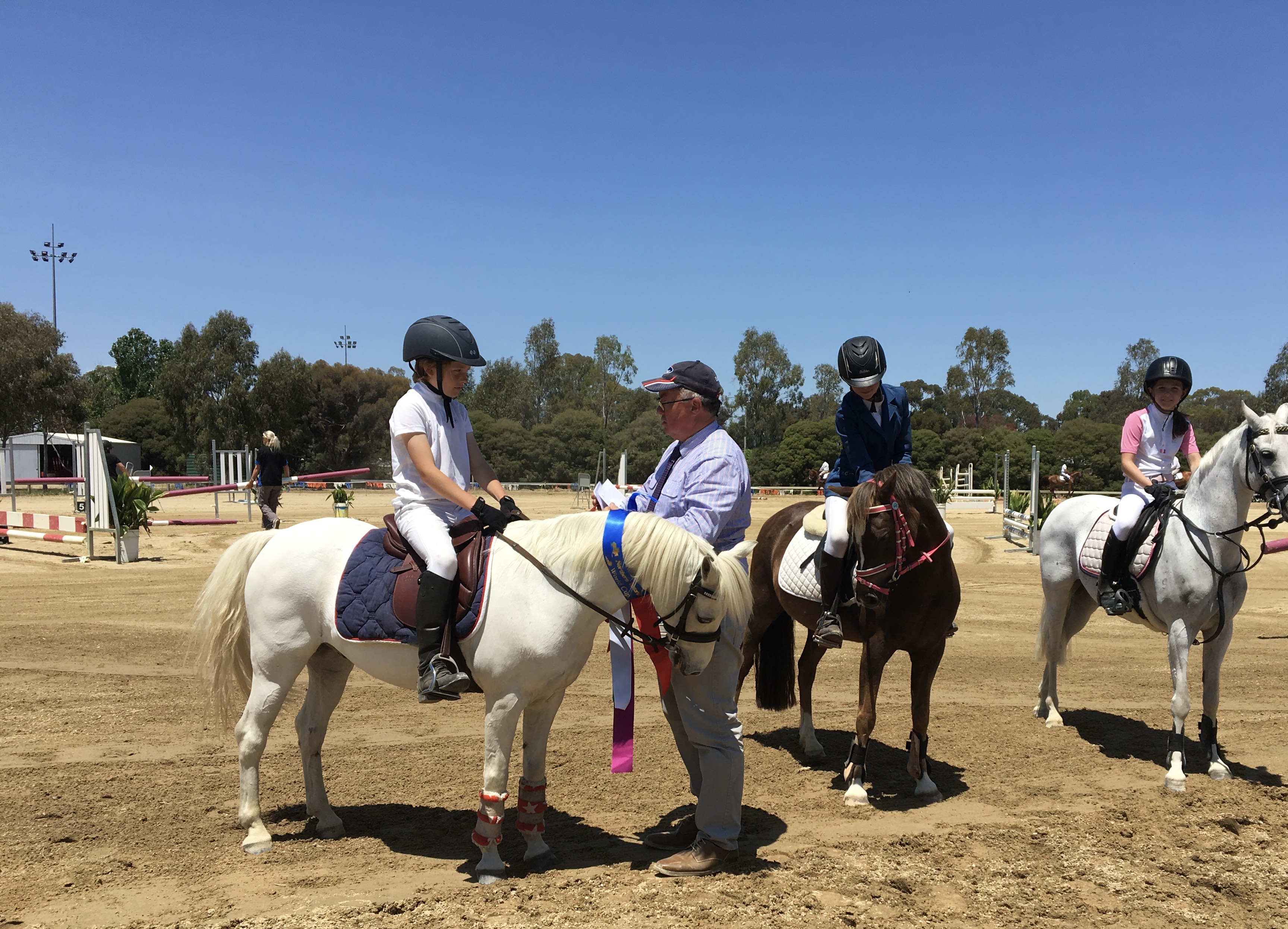
Thank you John – for having a laugh with us, always professional, supportive and for ensuring safety for riders and horses. Look forward to our shows ahead with you. Below is a personal favourite – this photo is close to a decade ago – imagine that!


